24.05.2026 - Testowa
What Questions Should You Ask When Buying an Apartment? A Practical Guide for Buyers
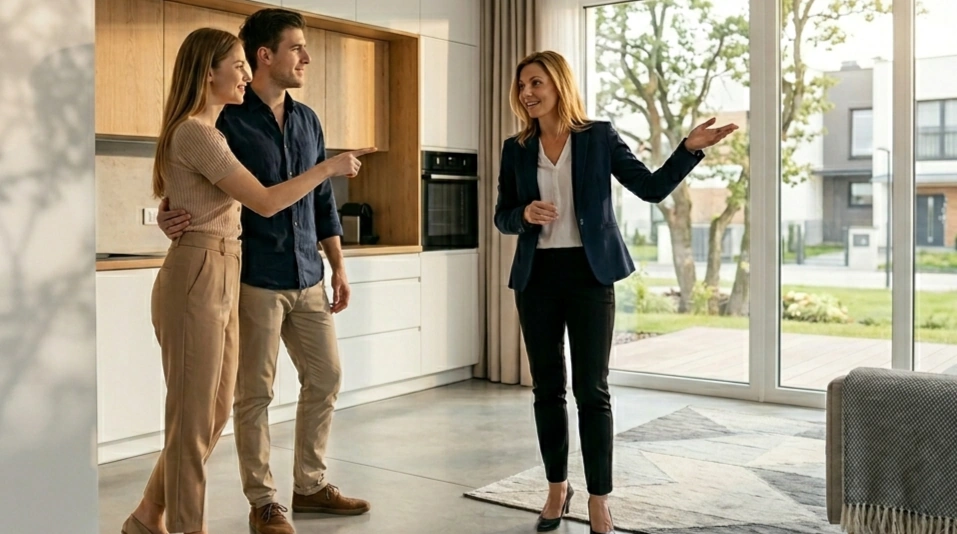
What Should You Ask When Buying an Apartment From a Developer Before You Even View the Property?
Your first meeting with the developer is the moment to gather solid information about the company, the legal status of the land, and the financing of the project. It is best to approach buying an apartment from a developer step by step, starting with these issues rather than focusing first on the floor plan or tile colors.
During the first meeting, ask about:
- the developer’s business history and previously completed projects,
- ownership rights to the land or perpetual usufruct rights,
- the valid building permit,
- the method of financing the investment and the type of escrow account used (open or closed),
- the land and mortgage register number for the property.
A reliable developer will provide you with the information prospectus without unnecessary formalities. This document contains details about the land, legal status, planned completion date, and draft agreements. If the company refuses to provide it or delays doing so, treat it as a warning sign.
By choosing a stable and experienced developer such as J.W. Construction, you gain confidence that the entire investment is being carried out according to the highest financial safety standards.
What Should You Ask When Buying an Apartment on the Primary Market? Technical Issues and Finishing Standards
Once you are sure the developer is trustworthy, it is time to move on to the details concerning the apartment itself. Many misunderstandings between buyers and developers arise from different interpretations of the “developer standard.” Before assuming you know what is included, check exactly what the term means in a specific offer.
Be sure to ask about:
- the materials used for walls, ceilings, and façades,
- the building’s energy efficiency class and any certifications,
- the thickness of the floor screed and the type of internal installations,
- the possibility of making layout or installation changes,
- the method used to calculate the apartment’s floor area and usable space.
The last point has real financial significance. The usable area affects the transaction price, so it is important to know which measurement standard the developer follows and whether auxiliary spaces such as utility rooms or pantries are included.
Buying an Apartment – What Should You Ask About Financial and Contractual Issues?
The advertised price per square meter is only the starting point. During discussions with the developer, check the total gross cost of the property, including parking spaces, storage units, and any additional fees. Only then can you realistically assess whether the offer fits your budget.
Before signing anything, ask questions regarding:
- the payment schedule and how installments correspond to construction stages,
- the possibility of negotiating the price or receiving a discount for a one-time payment,
- contractual penalties for both parties: delays by the developer and cancellation by the buyer,
- the conditions for withdrawing from the developer agreement,
- apartment reservation rules and reservation agreement fees.
Pay particular attention to clauses concerning floor area tolerance. If the developer reserves the right to adjust the apartment size by a few percent without correcting the price, clarify how any differences will be settled.
Also check exactly what is included as part of the apartment. Balconies, terraces, and loggias are treated as appurtenant areas rather than usable space, but their finishing standard should still be described in the agreement. Every such detail should be verified during negotiations rather than after signing the notarial deed.
If you are still unsure where in Poland you would like to live, explore:
- modern apartments for sale in Szczecin,
- comfortable apartments for sale in Chorzów,
from the portfolio of J.W. Construction. One of them may become your future home.
The Investment’s Surroundings and Planned Developments Nearby
Location is more than just an address. Ask the developer about the current local zoning plan for the land surrounding the investment. An empty plot outside your window today could become a construction site in a few years.
It is worth finding out:
- what services and infrastructure will be included within the development itself,
- whether public parking or bicycle parking facilities are planned,
- what access there is to public transportation and schools,
- whether express roads, tram lines, or other public infrastructure projects are planned nearby.
What Should You Ask Before Taking Possession of the Apartment?
Before receiving the keys, you have the right to thoroughly inspect the technical condition of the apartment. The handover inspection is one of the most important stages of the entire purchase process. It is worth knowing what to check during the apartment handover so you do not miss defects that the developer is obligated to fix at their own expense.
Before the handover, ask about:
- the scope and duration of the developer’s warranty,
- the defect reporting procedure and repair deadlines,
- the possibility of involving an independent building inspector during the inspection,
- the apartment’s technical documentation, including installation diagrams.
It is also worth asking whether the delivered apartment matches the developer standard specified in the agreement. Compare the actual condition with the specification sheet attached to the developer contract.
What Should You Ask the Notary When Buying an Apartment?
The notary prepares both the developer agreement and the ownership transfer deed, so they have access to documents that buyers do not always review themselves. Before meeting with the notary, ask about:
- entries in the land and mortgage register for the property,
- mortgage encumbrances on the land,
- any easements affecting the property.
The notary can also explain the consequences of specific clauses included in the developer agreement. You should also ask about notarial costs, including notarial fees, civil law transaction tax (if applicable), and court fees for entry into the land and mortgage register.
Taxes and Formalities After Buying an Apartment
After finalizing the transaction with the notary and receiving the keys, the new owner still has several administrative obligations. Many buyers wonder, for example, whether buying an apartment from a developer must be reported to the tax office. In the case of the primary market, the buyer pays VAT included in the apartment price, which means they are exempt from civil law transaction tax (PCC-3) and do not need to submit a separate declaration.
However, this does not mean the paperwork is over. Key formalities after buying an apartment include:
- registering the property with the city or municipal office to determine property tax liability (within 14 days of signing the ownership transfer deed),
- transferring utility meters into the new owner’s name,
- notifying the building manager or housing cooperative about the change of ownership.
FAQ – Frequently Asked Questions
What Should You Ask When Viewing an Apartment for Purchase?
Check the floor level and sunlight exposure, room layout, the possibility of making changes, and any appurtenant spaces such as storage units or parking spaces.
What Should You Be Careful About When Buying an Apartment From a Developer?
Pay attention to clauses regarding floor area tolerance, contractual penalties favoring the developer, the absence of a closed escrow account, and unclear descriptions of the finishing standard.
How Much Does a Notary Cost When Buying an Apartment for PLN 700,000?
Notarial fees are regulated by law and for a transaction worth PLN 700,000 amount to a maximum of several thousand zlotys, plus the cost of deed copies and court fees. The exact amount can be calculated based on the official notarial fee table or by asking the notary before signing the agreement.